

In recent years I’ve twice been tasked with building creative departments from a handful of people into teams of more than 20, bringing together strategists, creatives, designers, writers, editors and filmmakers.
What’s interesting is that while the teams have grown, the biggest change hasn’t been their size. It’s been what clients now expect them to deliver.
Earlier in my career, creative teams were often judged by the quality and quantity of their output. Could you produce great work? Could you fill the feeds? Could you generate engagement and keep audiences entertained?
Those things still matter, but they’re no longer enough.
Today, clients are under greater commercial pressure than ever before. Budgets are scrutinised, marketing effectiveness is measured relentlessly and every investment is expected to demonstrate value. As a result, the role of creativity has evolved.
The creative departments I’ve built haven’t grown because clients want more content. They’ve grown because clients need more solutions.
Creativity is no longer just responsible for capturing attention. It’s increasingly responsible for influencing behaviour, driving commercial outcomes and solving business challenges.
The most effective creative teams start not with formats, but with insight. Who is the audience really? What cultural spaces do they inhabit? What motivates them beyond the final score? Sport does not exist in isolation. It sits inside fashion, music, gaming, film and whether we like it or not, politics. If creative output is not rooted in these broader cultural touchpoints, it becomes disposable, just more generic white noise that ‘fills the feed’. Insight transforms content from noise into engagement.
But cultural relevance on its own isn’t enough. Creative ideas must also carry commercial intent. That doesn’t mean turning every campaign into a sales message, it means understanding the business objectives from the outset. Are we driving ticket sales for a midweek fixture? Growing international fanbases? Increasing membership retention? Attracting a new sponsor? The brief can no longer be “make something engaging” It must be “make something that moves the business”.
This shift is particularly visible in sponsorship. For years, success was defined by awareness. Logo visibility, broadcast minutes, social impressions – if the brand was seen, the partnership was working. Fans are surrounded by branding at every touchpoint, if every sleeve, backdrop and digital asset carries a logo then this omnipresence becomes wallpaper, and the job of creative has to change.
It is no longer about ensuring the brand is seen. It is about ensuring the brand is felt. Visibility alone does not guarantee value.
That requires a move from awareness to affinity. To win with the heart, not just the head. The most effective sponsorship ideas go beyond placement and into participation. They demonstrate a genuine understanding of fan culture – the rituals, the humour, the heartbreak, the language of belonging. They respect the emotional contract between club and supporter.
When a brand shows it understands why it’s important to deliver on a wet Wednesday night in Stoke, or why ‘one of their own’ is always going to resonate more than the shiny new signing, then it earns relevance. Brands must contribute something meaningful – access, utility, shared experiences, stories that reflect the community – it shifts from sponsor to supporter. That is when sponsorship creates long-term value rather than short-term exposure, this in turn unlocks commercial value.
Don’t get me wrong, views and likes still matter, they are still leading indicators, but they can’t be end goals. The real metrics are ticket conversions, database growth, merchandise uplift, brand consideration and long-term fan engagement. Creative teams must be comfortable operating in that space – collaborating with marketing, data and commercial departments to understand what impact truly looks like.
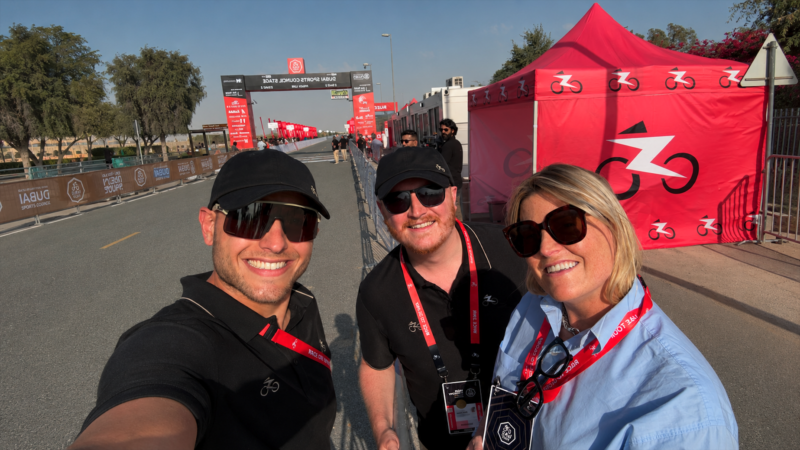
We see this play out in our own work too. With PSG, that meant shifting ticketing campaigns to focus on their FIFA Club World Cup or league fixtures when demand is highest. With UAE Tour, it means building the campaign around a bigger idea, seven Emirates, one story, rather than just covering the race. Insight first, results followed.
None of this diminishes creativity. In fact, it elevates it. Constraints sharpen ideas. Commercial clarity forces precision. When creative thinking is anchored in audience insight, cultural relevance and business objectives, it becomes a growth driver rather than a cost centre.
Sport will always be emotional. That’s its superpower. But emotion without strategy is wasted energy. The future belongs to creative teams who can harness that emotion and channel it into measurable, sustained business impact.